Why Does Time Seem to Go Faster As We Get Older? Science Explains
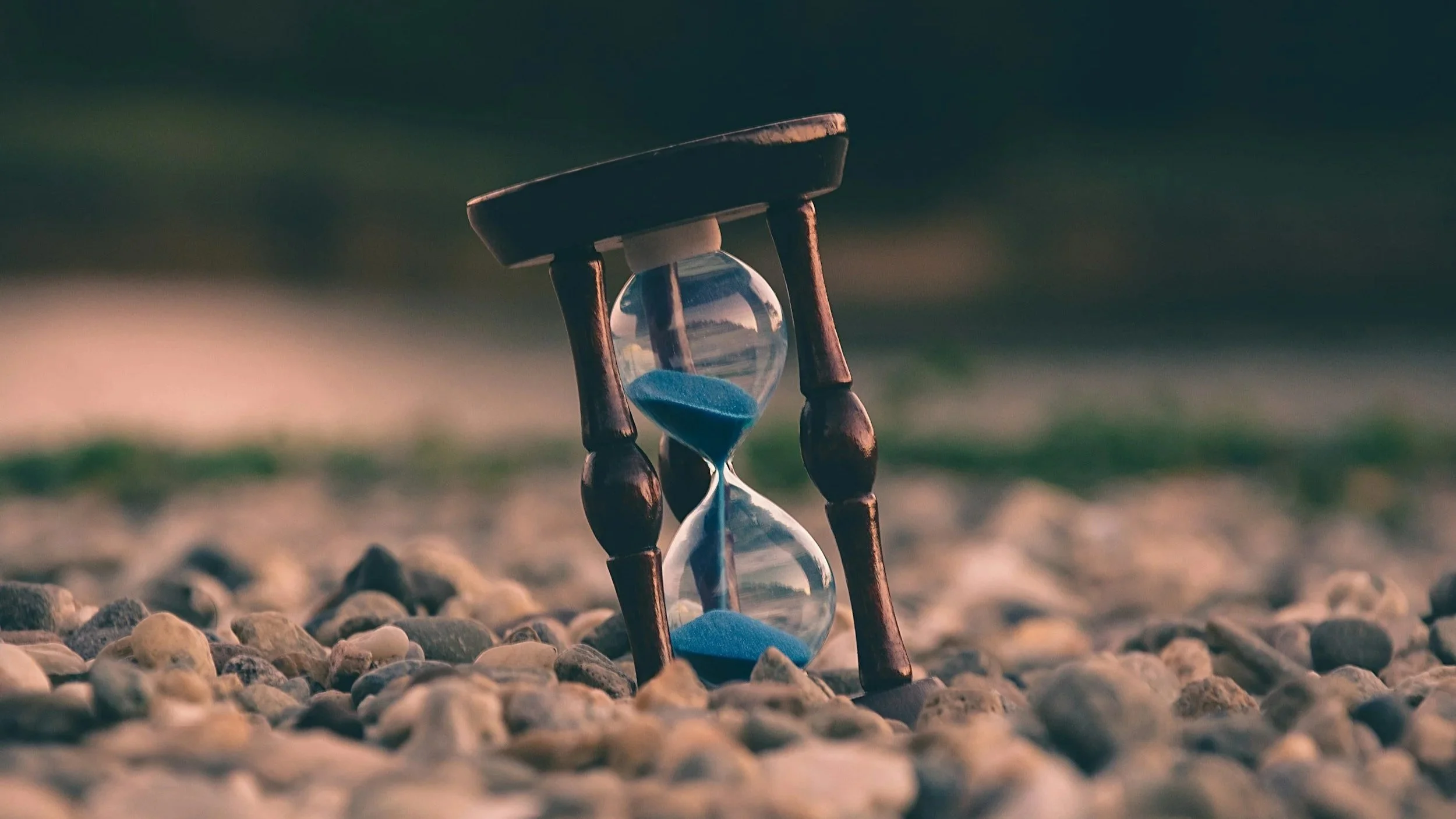
Have you ever reached the end of your day and wondered where the time went? You may not have been particularly busy, yet somehow the hours slipped away unnoticed. This common experience—the feeling that time accelerates with age—isn't just your imagination. Science offers compelling explanations for why time feels faster as we age.
Why Time Flies As We Age: A Common Experience
I've personally noticed how one day flows into the next with diminishing awareness of time's passage. Even teaching in stimulating classrooms with constant engagement, life progresses at a noticeably faster pace in my later years compared to my youth.
This phenomenon of time perception changing with age has been documented across cultures and generations. It typically becomes noticeable in midlife, when daily routines solidify and life carries greater responsibility. Understanding why time feels faster requires examining how our brains process familiarity, memory formation, and novelty.
How the Brain Perceives Time: The Neuroscience of Temporal Perception
The brain doesn't measure time directly—it measures difference and change.
During childhood and young adulthood, life overflows with novel experiences. New schools, first jobs, new relationships, unfamiliar cities. Each unprecedented situation demands heightened attention and creates distinct memory traces. Looking back, those years feel expansive because they're densely packed with memorable, differentiated moments.
Later in life, many days follow similar patterns. We develop efficient routines, know what to expect, and navigate through our days with practised ease. This cognitive efficiency serves us well practically, but creates an unexpected consequence: when experiences become similar, the brain consolidates them. In retrospect, time feels compressed, even when individual days were busy or meaningful.
What Cambridge University Research Reveals About Ageing and Time Perception
Recent neuroscience research involving the University of Cambridge provides deeper insight into how ageing brain function affects our experience of time.
In studies using functional brain imaging, researchers showed participants of varying ages the same continuous film whilst monitoring neural activity patterns. Rather than measuring memory recall or reaction times, scientists observed how frequently the brain shifted between different activity states.
The findings were revealing: as people age, the brain maintains the same neural patterns for extended periods rather than rapidly transitioning between states. This doesn't indicate reduced awareness or comprehension—older adults understood events and meaning equally well. However, when the brain sustains the same state longer during routine experiences, it generates fewer internal temporal markers.
These cognitive markers are essential for making time feel segmented and substantial in memory. Fewer markers mean less perceived passage of time.
Why Being Busy Doesn't Slow Down Time Perception
A natural response to feeling time accelerate is attempting to pack more into each day. More tasks, more plans, more commitments.
Paradoxically, busyness often amplifies the problem. Increased activity frequently means increased repetition. Days become full yet similar. The brain operates in the same processing mode for extended stretches, and the sensation of time flying by intensifies rather than diminishes.
Time feels fuller not because we're occupied, but because something registers as genuinely different.
How Daily Routines Affect Time Perception and Memory
When we move through days on autopilot, one moment blends seamlessly into the next. This isn't laziness or disengagement—it's the brain's energy-conservation strategy.
Automatic processing allows us to function efficiently without conscious effort for every action. However, this efficiency comes at a cost to our time perception and memory formation. Days spent in familiar routines leave fainter memory traces, making them harder to distinguish from one another when we look back.
The Role of Novelty and Variation in Slowing Down Time
Variation matters profoundly because it interrupts automatic cognitive processing and creates memorable experiences.
Research on memory and time perception consistently shows that novelty—not mere activity—is what makes time feel substantial. This is why people who begin practising mindful meditation or mindfulness often report that a single minute of sitting quietly can feel surprisingly long, even endless. When you're fully present without familiar distractions, your brain creates more temporal markers, making time expand rather than compress.
The lesson here is counterintuitive: it's not about filling time with more things. Quite the opposite. It's about filling time with experiences that demand genuine attention, activities that ignite curiosity, require thoughtful engagement, or present something unfamiliar that can't be processed automatically.
Even modest variations can meaningfully impact how we experience and remember our days:
Altering your daily sequence: Start your morning differently or rearrange your routine
Choosing alternative routes: Take different paths to familiar destinations
Engaging in non-transactional conversations: Talk with people beyond task-oriented exchanges
Practising mindful attention: Notice details in familiar activities without rushing
These interventions don't require dramatic life changes. They simply need to be distinctive enough to capture attention and register consciously.
Over time, these small variations create contrast in our mental timeline. Contrast is the foundation memory uses to segment and mark the passage of time.
Age-Related Changes in Time Perception: What Research Shows
Multiple studies on temporal perception across the lifespan reveal consistent patterns:
The Proportional Theory: Each year represents a smaller fraction of your total life experience. At age 10, one year is 10% of your life. At age 50, it's just 2%. This mathematical relationship affects how significant each period feels.
Memory Density: Childhood and adolescence are packed with first experiences that create rich, detailed memories. Adulthood often involves repeating similar experiences, resulting in less distinctive memory formation.
Cognitive Efficiency: As we age, we develop schemas and mental shortcuts that help us process familiar situations quickly. Whilst cognitively efficient, this reduces the attention paid to routine experiences.

Why Time Perception Matters More in Later Life
The awareness that time feels faster often emerges alongside deeper existential questions:
How do I want to spend the years ahead?
What deserves my full attention now?
What no longer serves me?
These aren't questions to rush through. They signal that perspective is evolving and priorities are shifting.
Time feeling faster doesn't mean life is passing unnoticed or unlived. It typically indicates life has become familiar—and familiarity fundamentally changes how experience is encoded in memory.
The meaningful opportunity lies in consciously choosing how much of life we allow to pass on autopilot versus registering with full awareness.
How to Make Time Feel Slower: Practical Strategies That Work
You can't slow the actual passage of time, but you can significantly influence how life is experienced and remembered:
Seek novel experiences regularly: Even small new activities—trying unfamiliar foods, exploring different neighbourhoods, learning new skills—create memorable moments.
Practise present-moment awareness: Mindfulness meditation and intentional attention help break automatic processing patterns.
Vary your routines deliberately: Introduce intentional changes to prevent days from blurring together.
Create meaningful rituals: Distinctive practices that mark time provide mental bookmarks for memory.
Document experiences: Journaling, photography, or reflection practices enhance memory formation and retrieval.
When days contain variation, conscious attention, and moments aligned with your values, time leaves clearer memory traces. Not because you controlled it—but because you were genuinely present within it.
How to Slow Down Time at Any Age
The good news? This capacity for presence and intentional living remains available at any age. Whilst our brains may process familiarity differently as we mature, we retain the ability to cultivate novelty, attention, and meaning.
Understanding the neuroscience and psychology of time perception empowers us to make informed choices about how we structure our days and what we prioritise. Rather than passively accepting that time speeds up, we can actively shape our experience through conscious variation and engagement.
Time may seem to accelerate as we age, but how we inhabit each moment remains within our influence. That awareness itself can transform how we approach not just today, but all the days ahead.
Your Next Step Towards Richer Later Life Experience
Understanding how we perceive time is powerful. But the real opportunity is using this awareness to live more fully in the years ahead.
Get the free resource 5 Mindful Living Habits—realistic practices that help you step out of autopilot and create more memorable, meaningful moments in your daily life.
Subscribe to our weekly newsletter for continued support on your journey. You'll receive thoughtful insights, practical guidance, and upcoming resources—all focused on helping you age with intention, presence, and fulfilment.
Ready to dive deeper? The book How Did I Get Here? offers a comprehensive process for creating a life genuinely aligned with who you are now.
These are invitations, not prescriptions. Small shifts in awareness can transform how you experience every day.